Buyer Guides
When an Ad Works Too Well: Overflow Coverage for Campaign Call Spikes
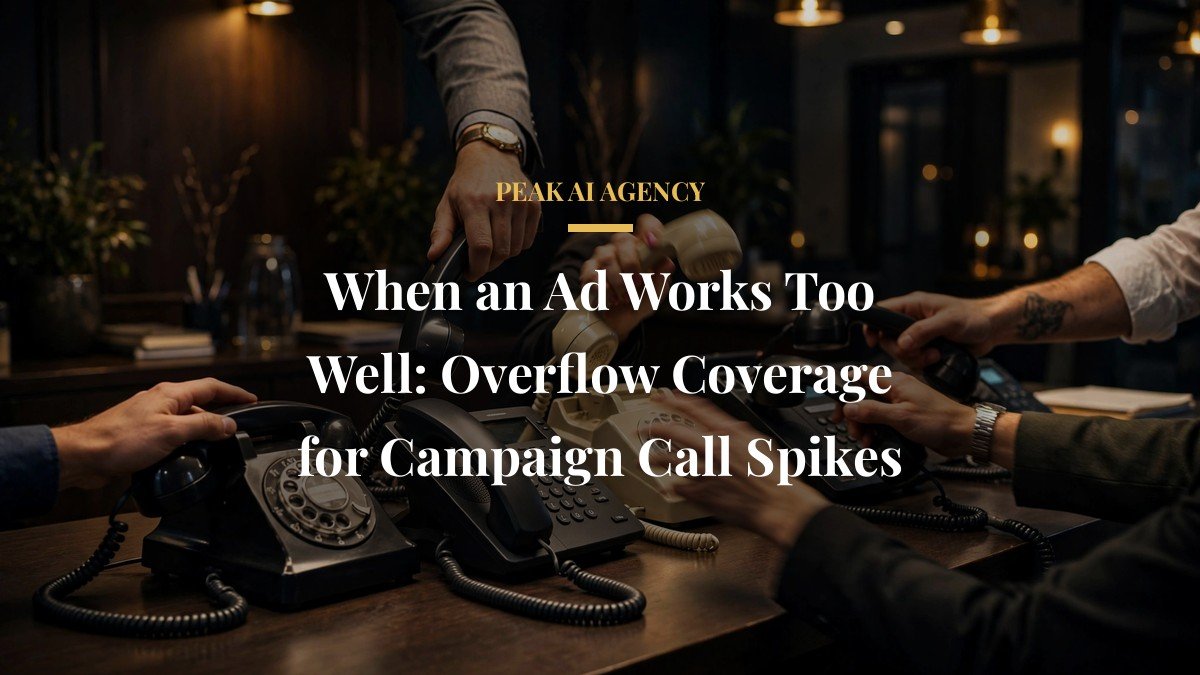
A campaign lands. The radio spot, the mailer, the Google ad you finally funded properly, and for two weeks the phone rings at triple the normal rate. This is the outcome you paid for, and it is also how businesses lose the very customers the campaign bought. Call volume spikes punish small phone setups in a specific way: the team answers bravely for three days, then fatigue, backlog, and missed calls eat the return on the ad spend.
Estimate the spike before you launch
Your provider or agency can usually give a rough expectation: past campaign response, the audience size, the offer’s urgency. Take the estimate and plan for double. Offers with a deadline compress calls into the final days, and a mention in local media can stack on top. Write down, before launch, the hourly call volume your current setup can absorb: primaries, backups, average call length. The gap between that number and the forecast is the size of the problem you are solving.
Overflow is the right shape for a spike
A spike is temporary, so the fix should be temporary too. Overflow coverage, an answering service or AI receptionist that takes calls your team cannot reach within a set number of rings, scales for exactly the launch window and then steps back. This is a different purchase from full-time coverage, and confusing the two leads owners to either overbuy for a two-week event or refuse coverage because a permanent contract feels excessive. The comparison in after-hours overflow vs. full after-hours coverage lays out the trade-offs, and they apply to campaign spikes as much as to evenings.
Whatever you arrange, brief it like a campaign asset. The overflow answerer needs the offer terms exactly as advertised, the booking rules, the service area, and the answers to the five questions the ad will provoke. Callers responding to an offer have no patience for an answerer who has never heard of it. Test with a call before launch day.
Protect the follow-up, not just the answer
Spike callers who cannot be served immediately need a callback, and callback lists collapse at volume unless someone owns them. Assign the list to a named person each day, sort by the offer’s deadline, and clear it before new calls each morning. A campaign that generates 200 callbacks nobody makes is worse than no campaign, because those callers now have a story about your business, and it is not the one the ad told. The recovery discipline in the five-minute follow-up rule is built for exactly this pressure.
Judge the campaign on answered calls
After the spike, reconcile three numbers: calls the campaign generated, calls answered live, and bookings. Agencies report the first. Your revenue came from the third, and the difference between the first two is where campaigns quietly fail. Feed the answered share back into the next campaign decision. Sometimes the best marketing move available is not a bigger ad budget. It is answering capacity for the budget you already spend, a lesson home service companies learn every busy season, as we covered in peak-season overflow call handling.

I write the agents that run on clinic phone lines and inboxes: the conversation engine and the booking logic behind them, plus the integrations with Pabau, Fresha and Phorest. Everything here comes out of systems we have actually shipped, not a content plan.


