AI Receptionist
AI Receptionist for Senior Pet Wellness Recalls: Bringing Older Pets Back on Schedule
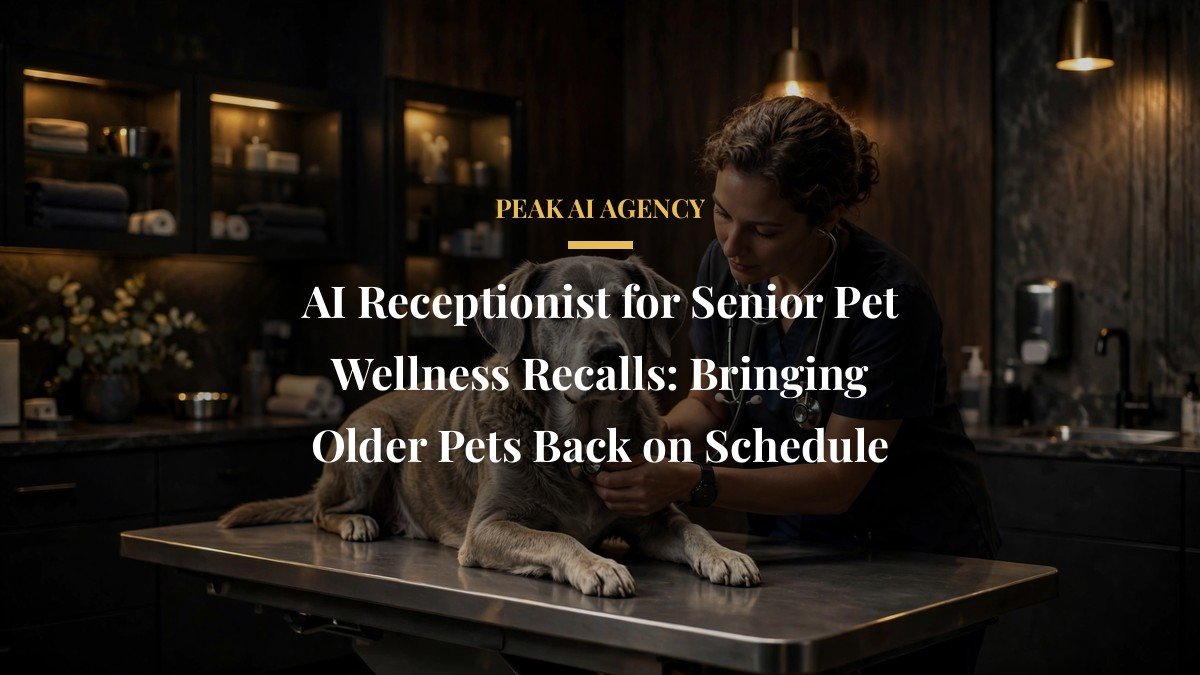
Senior pets drift out of the diary quietly. The owner means to rebook, the reminder card goes under a pile of post, and a dog who should be seen twice a year is suddenly eighteen months overdue with stiff joints and no recent bloodwork. Recall calls fix this, and they are exactly the kind of call a busy vet front desk postpones forever because the phones never stop ringing with today’s problems.
What a good recall call sounds like
The call opens with the pet’s name and the reason for the check, in the owner’s terms. A senior wellness visit is due, and the AI can offer specific appointment times rather than asking the owner to ring back. If the owner mentions changes at home, like drinking more, weight loss, or trouble with stairs, those notes go into the summary verbatim for the clinical team. The AI does not comment on what the changes might mean.
Some recall calls surface sad news. An owner may say the pet has died, or that they have moved to another practice. The script needs a gentle, short response for the first case and a simple record update for the second, with no sales pressure in either. Test these paths before you go live. They are rare per week and memorable when handled badly.
Recall lists are a data job before they are a phone job
Pull the list by age and last visit date, and clean it first. Duplicates, deceased pets already recorded elsewhere, and clients who opted out of calls should be removed before any dialling or inbound campaign starts. When owners ring back after a message, the AI should recognise the context, a senior wellness recall, rather than starting a generic booking conversation. Our main guide to an AI receptionist for veterinary clinics covers the urgent-call side that shares the same phone line.
Measuring whether it worked
Count booked and attended senior visits from the recall list over a set period, and compare against the same list before automation. Attended matters more than booked. The reminder timing in appointment reminders that cut no-shows helps close that gap. Practices usually find the recall list shrinks fast in the first pass, then settles into a steady monthly rhythm their desk can finally keep up with, especially alongside the general recall approach in patient recall and reactivation calls.

I write the agents that run on clinic phone lines and inboxes: the conversation engine and the booking logic behind them, plus the integrations with Pabau, Fresha and Phorest. Everything here comes out of systems we have actually shipped, not a content plan.